How to Protect Your Pet Against Ticks
24th March 2026
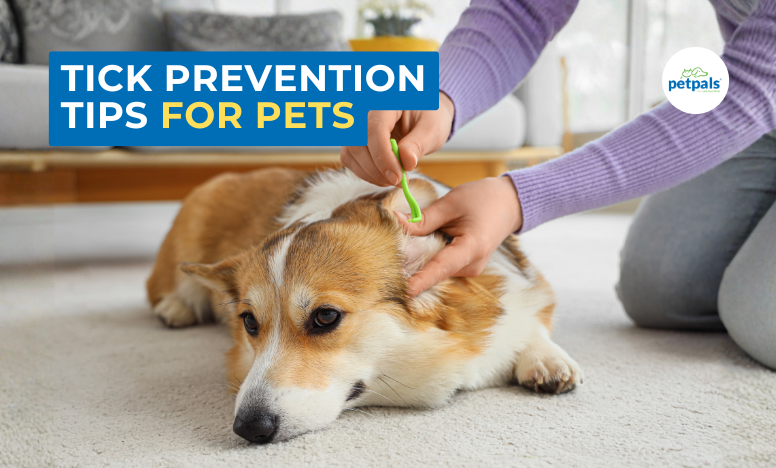
With Tick Bite Prevention Week starting on 24th March, it’s the perfect time to remind ourselves of how important it is to protect our pets from ticks. These tiny parasites might be small, but they can cause big problems – from skin irritation to transmitting diseases like Lyme disease (Borreliosis) and babesiosis (Babesia canis).
When Are Ticks Most Active?
In the UK, tick activity has two main peaks:
• Spring to early summer (March to June)
• Late summer through autumn (August to November)
Where Are Ticks Found in the UK?
Ticks that carry Lyme disease can be found throughout the UK, but they thrive in grassy and wooded areas. High-risk locations include:
- Exmoor
- The New Forest
- Rural areas of Hampshire
- The South Downs
- Parts of Wiltshire and Berkshire
- Parts of Surrey and West Sussex
- Thetford Forest (Norfolk)
- The Lake District
- The North York Moors
- The Scottish Highlands
Prescription Tick Treatments – The Most Effective Choice

While over-the-counter spot-on treatments are common, they are becoming less effective. Many ticks have built up resistance to traditional liquid treatments applied to the back of the neck or top of the tail. These treatments can also be washed off during baths or swimming, leaving pets unprotected.
Prescription-based medicines, on the other hand, are significantly more effective. These medications are designed to protect against ticks, fleas, worms, and other parasitic species, offering broad protection with longer-lasting effects. Speaking to your vet is the best way to ensure your pet receives a prescription product suited to their age, weight, and lifestyle.
Some commonly prescribed tick treatments available in the UK include:
- Bravecto® – A chewable tablet that protects dogs against ticks and fleas for up to 12 weeks.
- NexGard® – Monthly chewable for dogs, effective against ticks and fleas.
- Credelio® – Monthly chewable that protects against multiple parasitic species.
- Simparica® – Monthly tablet for dogs, offering protection against ticks, fleas, and mites.
Tick Collars – Pros and Cons
- Pros: Easy to use, can last several months, provide ongoing protection.
- Cons: Some pets may experience skin irritation, collars may lose effectiveness if they get wet, and they generally offer less comprehensive protection than prescription treatments.
Ticks and Cats
Ticks are far less common in cats than in dogs, especially indoor cats. When they do appear, they usually attach around the head, neck, or ears. In most cases, ticks in cats do not lead to serious health issues. Nonetheless, it’s still important to check your cat regularly, particularly if they go outdoors. Your vet can recommend suitable prevention if necessary.
Where To Check On Your Pet?
After a walk, it’s important to check your pet thoroughly for ticks, as they prefer warm, sheltered areas where the skin is thin. Common places to check include:
- Around the ears and behind the ears
- Under the collar or harness area
- Around the neck and under the chin
- Between the toes and paw pads
- Under the tail
- Around the groin and armpits
- Along the back, especially near the base of the tail
How to Remove Ticks Safely
- 1. Use a tick removal tool – Specially designed tick hooks or tick keys are ideal for safely removing ticks from pets.
- 2. Position the tool close to the skin – Slide it gently under the tick’s head.
- 3. Pull and twist steadily and gently – Avoid crushing the tick, which can leave mouthparts behind or release disease-causing fluids.
- 4. Clean the area – After removal, wash the bite site with warm, salty water.
- 5. Dispose of the tick carefully – Place it in a sealed container or flush it down the toilet. Never crush ticks with your fingers.
- 6. Monitor your pet – Keep an eye on the bite site and your pet’s behaviour. If redness, swelling, or illness develops, contact your vet.
Key Takeaways
- Tick bite prevention is crucial for keeping your pets healthy.
- Prescription treatments are the most effective, offering protection against multiple parasites.
- Spot-on treatments and collars can help, but they have limitations.
- Cats are generally at lower risk, but outdoor cats should still be checked regularly.
- Know how to remove ticks safely to protect your pet from infection.
- Be especially vigilant during peak tick seasons and in high-risk areas across the UK.
- Always consult your vet before starting a tick prevention programme.
By taking the right precautions this Tick Bite Prevention Week, you can help ensure your pets stay happy, healthy, and tick-free.
Discover more about our award-winning pet care services, or find your local Petpals Dog Walker or Petpals Cat Sitter for when you’re away.
For more advice on tick prevention visit: RSPCA Tick Advice