Spring Pet Hazards: From Toxic Plants to Forbidden Foods
27th March 2026
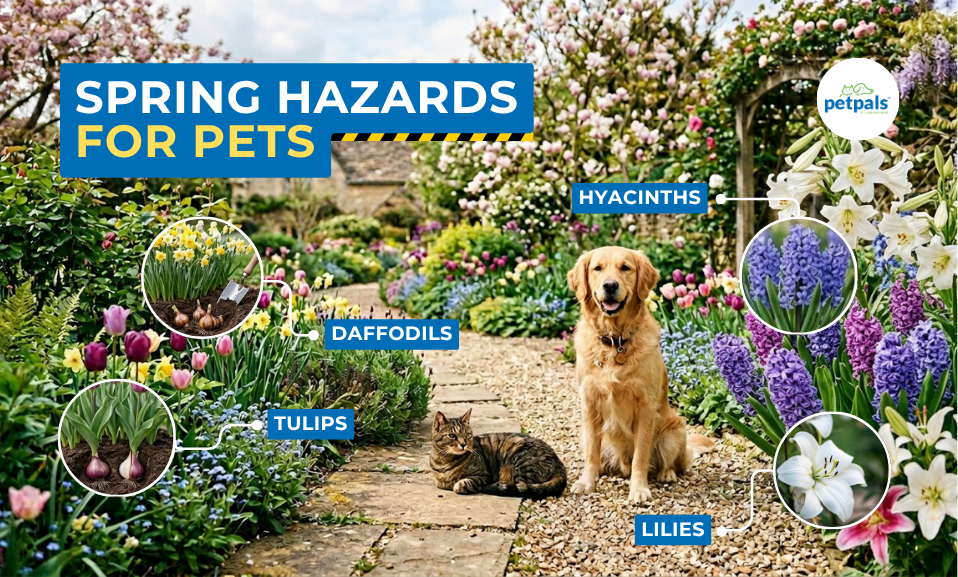
Spring is a wonderful time of year – longer days, fresh blooms, and more time outdoors. But as much as we love the season, it also brings unique hazards for pets. From toxic plants to Easter treats, it’s important for pet owners to know what to watch for. Here’s a guide to keeping your four-legged friends safe this spring.
Toxic Spring Plants and Flowers: Dangerous for Dogs and Cats
Many popular spring plants can be harmful if ingested by your pets. Here’s a detailed guide to the most common toxic plants and which animals are affected:
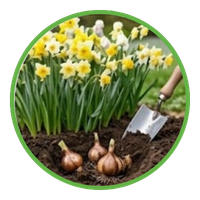
Daffodils – Affecting dogs and cats. The bulbs are the most toxic part, causing vomiting, diarrhoea, drooling, and in severe cases, more serious symptoms.
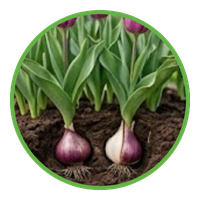
Tulips – Affecting dogs and cats. The bulbs contain harmful compounds that can lead to drooling, nausea, vomiting, and heart problems.

Hyacinths – Affecting dogs and cats. The bulbs are toxic and may trigger vomiting, diarrhoea, and abdominal discomfort.

Lilies – Extremely toxic to cats; mild risk to dogs. All parts – pollen, petals, leaves, and stems – can cause acute kidney failure in cats even in small amounts.
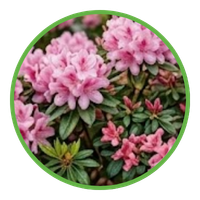
Azaleas and Rhododendrons – Affecting dogs and cats. Leaves and flowers contain toxins that can cause vomiting, diarrhoea, and heart issues.
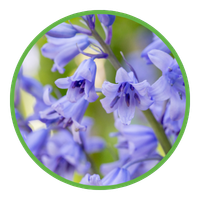
Bluebells – Affecting dogs and cats. All parts are toxic, with the bulbs having the highest concentration of harmful compounds. Ingesting leaves, stems, or flowers can cause vomiting, diarrhoea, and abdominal pain.
Symptoms to Watch For
If your pet has ingested a toxic plant, early recognition is key. Common signs include:
⚠️ Vomiting or diarrhoea
⚠️ Loss of appetite
⚠️ Drooling or foaming at the mouth
⚠️ Abdominal pain or discomfort
⚠️ Lethargy or unusual behaviour
If you notice any of these symptoms, seek veterinary care immediately. Early intervention can prevent more serious complications and keep your pet safe.
Easter Safety for Pets
Spring brings Easter, and with it, treats that are tempting for pets but can be dangerous. Key hazards include:

Chocolate – Toxic to dogs and cats. Chocolate contains Theobromine, a compound that pets cannot metabolise effectively. Dark chocolate and cocoa powder are the most dangerous forms. Even small amounts can cause vomiting, diarrhoea, rapid heartbeat, tremors, or more severe complications.

Hot Cross Buns – These contain raisins, sultanas, and currants, which are toxic to dogs and can lead to kidney damage due to the presence of tartaric acid and potassium bitartrate.

Marzipan and sugary treats – Can upset your pet’s stomach or trigger pancreatitis.
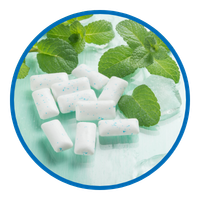
Products containing xylitol – Found in sugar-free gum, sweets, peanut butter and some baked goods. Highly toxic to dogs and can cause hypoglycaemia and liver failure.

Plastic eggs and small toys – Risk of choking or intestinal blockage if swallowed.
Outdoor Spring Hazards
Spending more time outdoors in spring comes with seasonal risks. Here’s what to watch for and what you can do to protect your pets:
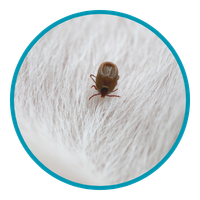
Ticks and fleas – Active in gardens, grassy areas, and woodland. These parasites can transmit diseases and cause itching or discomfort.
What to do: Use a vet-recommended flea and tick prevention. Check your pet thoroughly after walks, focusing on ears, underarms, belly, and around the neck. Learn more about protecting your pets here.
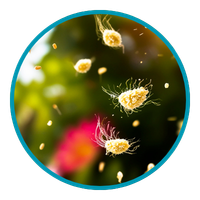
Pollen and seasonal allergies – Pets can develop itchy skin, sneezing, watery eyes, or red paws during spring pollen season.
What to do: Rinse your pet’s paws and coat after walks to remove pollen, keep windows closed during high pollen days, and consult your vet for recommended allergy treatments. Options may include hypoallergenic shampoos, antihistamines, or prescription medications suited to your pet.
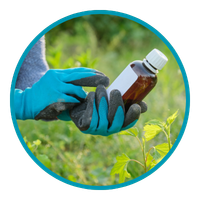
Garden chemicals – Fertilisers, slug pellets, pesticides, and weed killers can be toxic if ingested or absorbed through the skin.
What to do: Always store chemicals safely out of reach and follow product instructions carefully. Avoid letting pets onto recently treated lawns or flowerbeds until the product has fully settled or washed away. If your pet shows signs of poisoning, such as vomiting, drooling, or lethargy, seek veterinary care immediately.
Common Questions About Dog Safety
Q: Can my dog eat daffodils or tulips?
A: No – the bulbs are toxic and can cause vomiting, diarrhoea, or more serious symptoms.
Q: How much chocolate is dangerous for dogs?
A: Even small amounts of dark chocolate can be toxic. If your dog has eaten chocolate, check the risk using this Chocolate Toxicity Calculator.
Q: Are raisins dangerous for dogs?
A: Yes – raisins and sultanas can cause kidney failure, even in small amounts. Always keep baked goods and snacks containing raisins out of reach.
Q: Can xylitol harm my dog?
A: Absolutely – xylitol is highly toxic. Found in sugar-free gum, sweets, and some baked goods, it can cause a dangerous drop in blood sugar and liver failure.
Q: How do I protect my pets from ticks in spring?
A: Regular parasite prevention is key. Check your pet after walks and learn more here.
Common Questions About Cat Safety
Q: Are lilies dangerous for cats?
A: Yes – lilies are extremely toxic to cats. Even small amounts of pollen, petals, or leaves can cause kidney failure.
Q: Can cats eat chocolate or Easter treats?
A: No – chocolate, raisins, and sugary treats are toxic to cats and can cause vomiting, diarrhoea, or more serious illness.
Q: Are common spring plants like daffodils or tulips harmful to cats?
A: Yes – like dogs, cats can suffer vomiting, diarrhoea, or more severe reactions if they chew on bulbs or leaves.
Q: What household items should I keep away from my cat in spring?
A: Garden chemicals, slug pellets, essential oils, and certain cleaning products can be dangerous. Store all chemicals safely.
Tips to Keep Pets Safe This Spring
- 1. Supervise outdoor time – Keep an eye on pets in the garden and on walks.
- 2. Secure hazardous plants – Fence off toxic plants or remove them.
- 3. Store food and treats safely – Keep chocolate, raisins, xylitol products, and sweets out of reach.
- 4. Maintain parasite prevention – Flea and tick treatments are essential.
- 5. Pet-proof your home – Especially important during Easter and spring cleaning.
Spring is a season of fun and fresh beginnings. With a few precautions, your pets can enjoy it safely and happily.
Going Away for Easter?
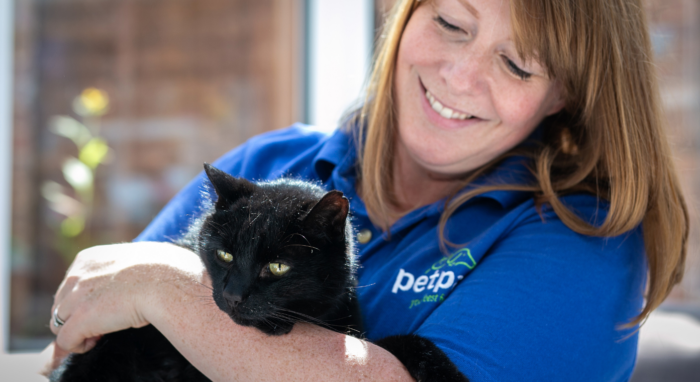
Planning a short break or a longer Easter holiday? Remember, Petpals can care for your pets while you’re away. Whether it’s dog home boarding, small pet or cat sitting, we provide professional, loving care so your pets are safe, happy, and well-looked-after. Visit our dog home boarding or cat sitting pages today to book our award-winning pet care services.