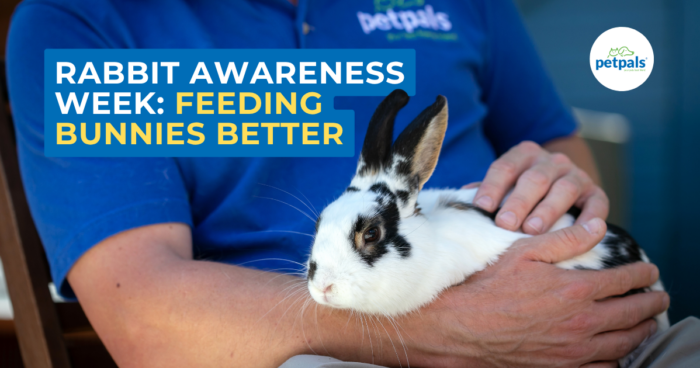
Rabbit Awareness Week: Feeding Bunnies Better
22nd June 2026
🐰 Are You Feeding Your Rabbit Correctly?
Rabbit Awareness Week is an annual campaign dedicated to improving the health and welfare of rabbits across the UK. This year’s theme, “Feeding Bunnies Better”, highlights one of the most important aspects of rabbit care: nutrition.
Despite being one of the UK’s most popular companion animals, many rabbits are still fed diets that do not meet their biological needs. An unsuitable diet can contribute to obesity, digestive problems, dental disease, and a reduced quality of life.
At Petpals, we are passionate about helping every pet live a happy, healthy and enriched life. Rabbit Awareness Week is the perfect opportunity to review what’s in your bunny’s bowl and make sure their diet is fully supporting their wellbeing.
🥕 What Should a Rabbit Eat?
It may surprise many owners to learn that rabbit nuggets should only make up a very small part of a rabbit’s overall diet.
A healthy rabbit diet is based on three key elements:
🌾 85–90% Hay and Grass
Hay is the foundation of a rabbit’s diet and should be available at all times.
High-quality hay supports:
- Healthy digestion and gut function
- Prevention of gut stasis
- Natural wear of continuously growing teeth
- Mental stimulation through foraging behaviour
Recommended types of hay:
- Timothy hay
- Meadow hay
- Orchard grass hay
- Botanical hay blends
Hay is not an optional extra — it is the most important part of a rabbit’s daily intake.
🥬 Fresh Vegetables and Leafy Greens
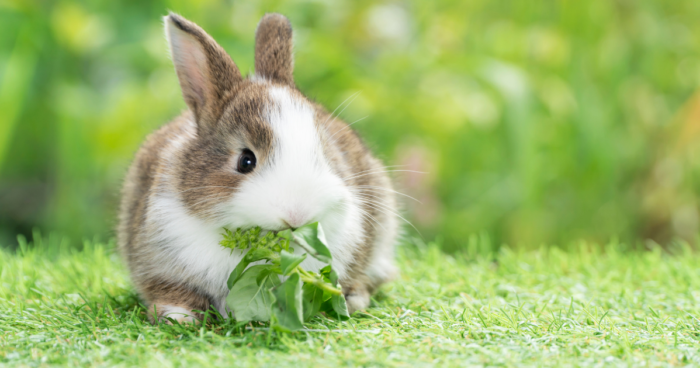
Fresh vegetables and leafy greens should be offered daily to provide variety, hydration and enrichment. Based on UK veterinary guidance, rabbits can enjoy a wide range of vegetables — but balance and moderation are key.
✅ Suitable vegetables for regular feeding:
- Bell peppers (red, yellow and green)
- Chicory
- Fennel
- Carrot tops
- Celery (including leaves)
- Courgette
- Mange tout
- Rocket
- Spring greens
- Watercress
⚠️ Vegetables to feed in moderation:
- Broccoli (can cause gas)
- Brussels sprouts (can cause gas)
- Cabbage (especially dark green varieties)
- Spinach (higher in oxalates)
- Salad leaves such as romaine lettuce (depending on quantity)
- Kale (nutrient-rich but best rotated)
A varied mix of vegetables each day is best, rather than relying heavily on one type, to support digestive health and overall balance.
🥣 A Small, Measured Portion of Nuggets
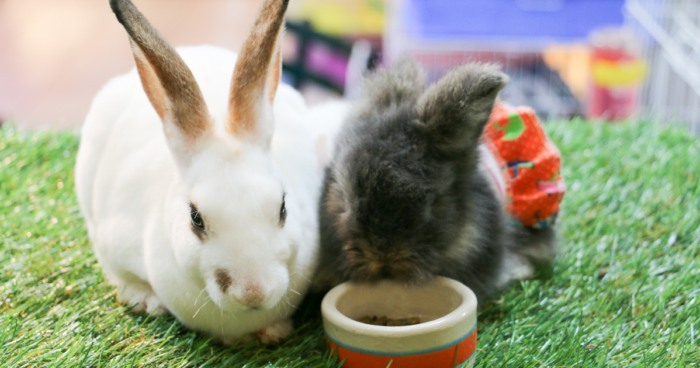
Nuggets should always be fed in moderation and should never replace hay or fresh vegetables.
Choose a high-fibre, complete nugget food rather than muesli-style mixes, which can encourage selective feeding and nutritional imbalance.
Guideline daily amounts:
- 1 tablespoon per day for a typical adult rabbit
- Up to 2 tablespoons per day for larger rabbits (around 3.5kg+)
If changing diet or introducing a new food, this should be done gradually over 2–4 weeks. Start by mixing a small amount of the new food with the current diet, then slowly increase the new food while reducing the old each day until fully transitioned. This helps prevent digestive upset and encourages consistent eating.
💧 Fresh Water at All Times
Clean, fresh water must always be available. Many rabbits prefer a heavy ceramic bowl rather than a bottle, which can encourage better hydration.
🍎 Fruit: A Rare Treat Only
Fruit is often seen as a healthy snack, but for rabbits it should be treated with caution due to its high sugar content.
Small amounts of fruit can be offered very occasionally as a treat, rather than part of their regular diet.
Suitable fruits (tiny portions only):
- Apple (no seeds)
- Banana (very small pieces)
- Strawberry
- Blueberry
- Pear
Even safe fruits should only be offered sparingly, as overfeeding can lead to weight gain and digestive imbalance.
⚠️ Common Rabbit Feeding Mistakes
- Too many nuggets: reduces hay intake and increases risk of obesity and dental issues.
- Too many treats: sugary foods and commercial snacks can disrupt digestion. Fruit should only be occasional.
- Not enough hay: can indicate dental issues or an overly rich diet.
- Muesli-style foods: allow selective feeding and should be avoided.
❤️ Why Rabbit Nutrition Matters
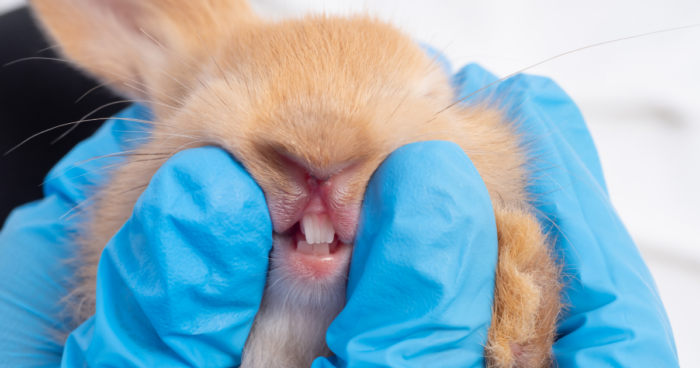
Rabbits have highly sensitive digestive systems and continuously growing teeth, making diet essential to long-term health.
Poor nutrition can contribute to:
- Dental disease
- Obesity
- Digestive disorders
- Gut stasis
- Reduced lifespan
- Behavioural changes
A fibre-rich diet helps prevent many of these issues and supports overall wellbeing.
🏡 More Than Just Feeding: Rabbit Welfare Matters
Rabbits also need:
- Plenty of space to exercise
- Daily opportunities to explore and forage
- Environmental enrichment
- Protection from extreme weather
- A compatible companion rabbit
They are intelligent, social animals who thrive with both physical and mental stimulation.
🐇 How Petpals Can Help

If you are going away or need support caring for your rabbits, Petpals provides professional, reliable pet care tailored to individual needs.
Our experienced carers can:
- Feed rabbits according to their normal routine
- Provide fresh hay, vegetables and water
- Monitor eating habits and wellbeing
- Clean hutches and living spaces
- Offer enrichment and gentle interaction
Maintaining a consistent feeding routine is especially important, as sudden dietary changes can quickly lead to digestive upset.
🌟 Rabbit Awareness Week 2026: A Simple Change Can Make a Big Difference
This Rabbit Awareness Week, take a moment to review your rabbit’s daily diet.
Small, consistent improvements — especially increasing hay intake and balancing fresh vegetable variety — can have a significant positive impact on long-term health and happiness.
Feeding bunnies better is not just a campaign message; it is one of the most effective ways to support a healthier, more enriched life for your rabbit.
📞 Need support with rabbit care while you are away?
Your local Petpals team is here to help keep your rabbits safe, comfortable and well cared for all year round.