New Livestock Law Affects Dog Walkers This Month
2nd March 2026
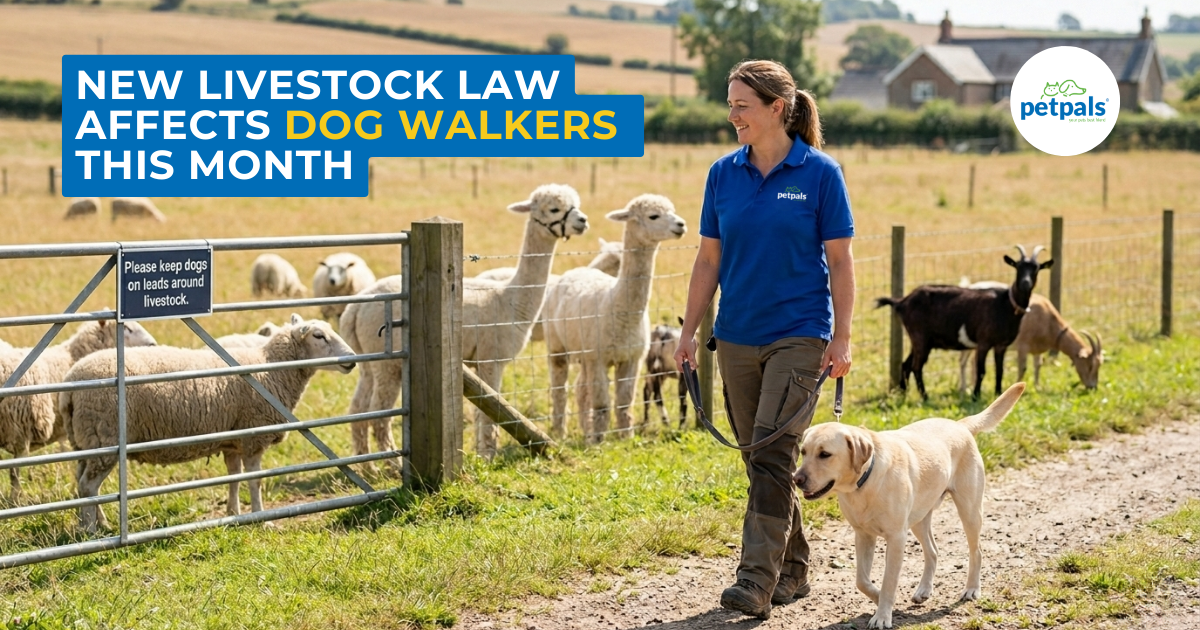
Responsible dog ownership is about much more than training and walks — it’s also about understanding changes in law that protect both our four‑legged companions and other animals we share our countryside with. From 18 March 2026, a major update to UK legislation will strengthen protections for farm animals and clarify responsibilities for dog walkers under the Dogs (Protection of Livestock) (Amendment) Act 2025. (defrafarming.blog.gov.uk)
Why the Law Is Changing
Despite longstanding legislation from 1953, incidents of livestock worrying — when dogs chase, attack, disturb or are off‑lead around farm animals — have continued to cause serious welfare issues for sheep, cattle, goats, alpacas and more. Fear, panic and stress can seriously injure livestock, with real emotional and financial impact on farmers across England and Wales.
Rather than restricting dog walking, this updated law aims to balance enjoyment of the countryside with greater protection for animals and peace of mind for farmers.

Key Changes Dog Owners Need to Know
The new law comes with several significant changes that all dog owners should be aware of:
1. Stronger Definition and Penalties
The legislation now clearly distinguishes between worrying livestock and attacking livestock — ensuring the most serious behaviours are recognised for what they are, with clearer enforcement. Even on a lead, a dog that causes distress can be considered as worrying livestock.
Penalties for offences have also changed:
Previously capped at a £1,000 fine, courts can now impose unlimited fines for livestock worrying and attacks. This acts as a much stronger deterrent for irresponsible behaviour. (gov.uk)
2. Wider Protection Across Locations
The revised law covers incidents not just in fields, but also on roads and public paths where livestock are present — recognising that harm can happen wherever animals are being moved or grazed.
3. More Animals Included
Legislation now includes a broader definition of livestock, such as camelids like llamas and alpacas, in addition to traditional farm animals like sheep, cattle and pigs.
4. New Police Powers
Police can now:
• Seize and detain dogs believed to pose a future risk
• Collect forensic evidence such as DNA samples from dogs or livestock
• Enter premises to prevent further incidents or secure evidence
These powers support more effective investigations and help protect farmers and their animals.
5. Important Guidance for Dog Walkers
Under the new law, a dog doesn’t even need to make physical contact with livestock to commit an offence. Simply chasing or distressing animals can be enough.
To stay safe and legal:
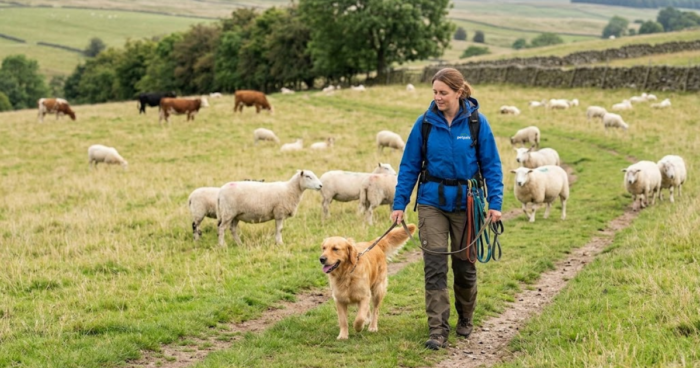
• Where livestock are present, use a lead and keep your dog at a safe distance
• Follow the Countryside Code and local signage
• Be extra vigilant during lambing and grazing seasons – especially on footpaths and bridleways near farms
What This Means for Responsible Owners
At Petpals, we’re passionate about helping dog owners understand how laws affect everyday life. These changes aren’t about penalising dog lovers; they are about encouraging responsible, mindful walking that keeps your pet safe and protects vulnerable animals in rural areas.
Whether you’re exploring the countryside with a puppy or walking your older dog on a weekend adventure, knowing the law helps you enjoy time outdoors without worry.
Top Tips for Dog Walks in the Countryside
✔ Always check routes for livestock before setting off
✔ Use a lead in fields with animals or where signage suggests it
✔ Train recall reliably before letting your dog off‑lead near livestock
✔ Respect farmers’ land and livestock — shared spaces work best when everyone plays by the rules
For more information on the new changes coming into effect visit: https://defrafarming.blog.gov.uk