Autumn Hazards for Pets: Conkers, Poisonous Plants & Other Dangers
21st September 2026
There’s something lovely about autumn. Crisp morning walks, crunchy leaves underfoot and cooler temperatures make it a great time of year to get outside with our pets.
But as the seasons change, so do the potential hazards our dogs and cats can encounter. From tempting conkers and acorns to mushrooms, poisonous plants, antifreeze and darker evening walks, autumn brings a few things pet owners need to watch out for.
🍂 Autumn tip: A little extra awareness on autumn walks can help keep curious pets safe from some of the seasonal hazards hiding amongst the leaves.
Are Conkers Poisonous to Dogs?
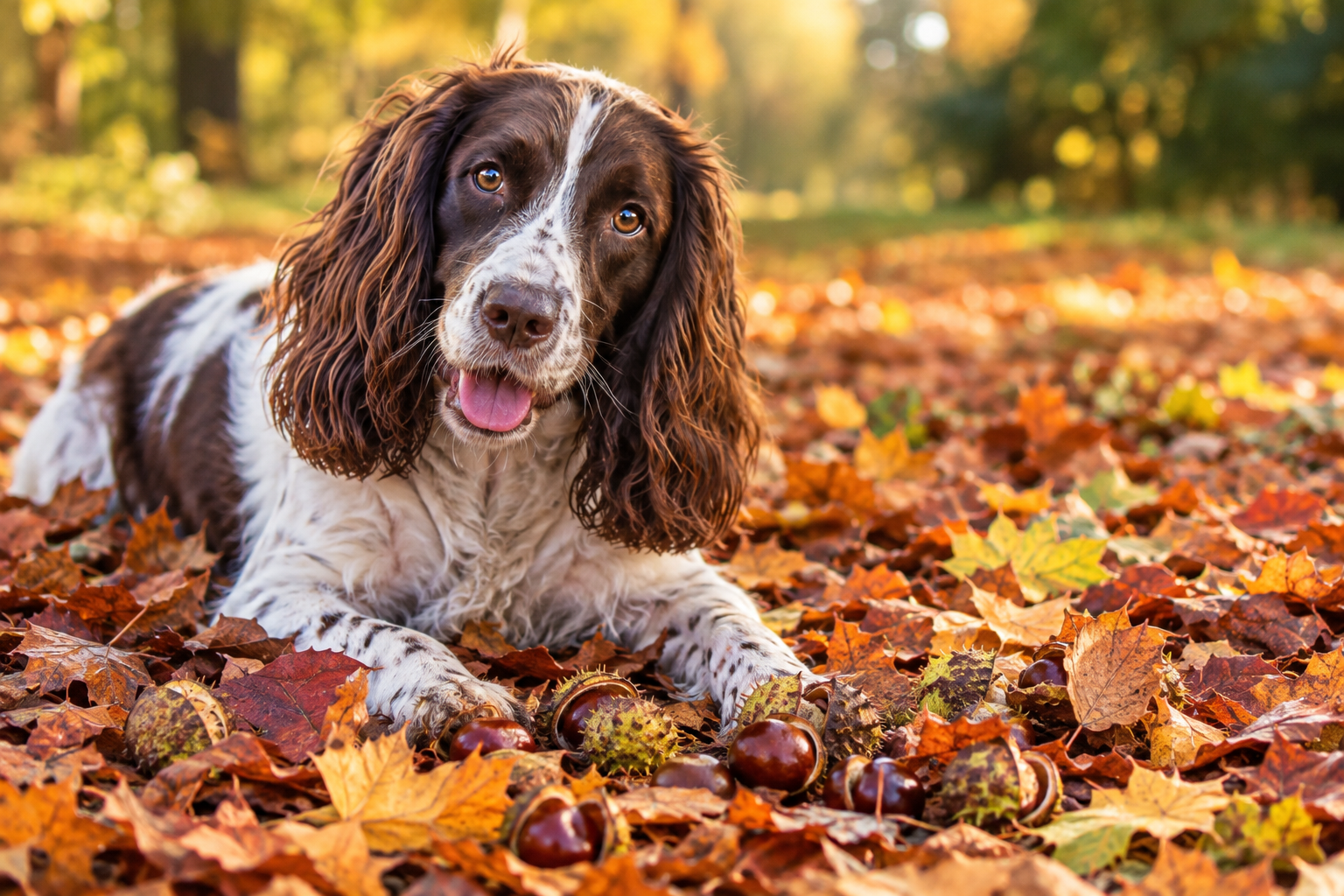
Yes, conkers can be harmful if eaten by dogs. Conkers come from horse chestnut trees (Aesculus hippocastanum) and can cause gastrointestinal problems if swallowed. There is also a risk of a conker becoming lodged in the gut, potentially causing a serious and potentially life-threatening blockage.
Conkers are particularly easy for dogs to find during autumn walks, when they can be hidden amongst fallen leaves. Curious dogs may pick them up, chew them or swallow them.
What Happens If a Dog Eats a Conker?
Eating a conker can cause an upset stomach, with symptoms such as vomiting, diarrhoea, drooling and abdominal discomfort. In more serious cases, a swallowed conker can cause an intestinal obstruction.
The risk is particularly concerning if a dog swallows a whole conker or a large piece, as it may become stuck as it passes through the digestive system.
What Are the Symptoms of Conker Poisoning in Dogs?
Symptoms can vary depending on how much has been eaten and whether the conker has caused an obstruction. Possible signs include:
• Vomiting
• Diarrhoea
• Drooling
• Abdominal pain or discomfort
• Reduced appetite
• Lethargy
• Shaking or tremors in more serious cases
If a blockage develops, your dog may also experience repeated vomiting, abdominal pain, constipation or straining to poo, or an unusual hunched posture.
Important: If you know or suspect your dog has swallowed a conker, contact your vet for advice rather than waiting for symptoms to develop.
What Should I Do If My Dog Eats a Conker?
Contact your vet as soon as possible and explain what your dog has eaten, approximately how much they swallowed and when it happened.
Your vet will decide what treatment is appropriate based on the individual circumstances. This may include monitoring, medication or diagnostic imaging such as X-rays or ultrasound. If a conker has caused an obstruction, surgery may be necessary.
Never try to make your dog vomit yourself unless your vet specifically tells you to. Home remedies such as salt water should not be used.
How Can I Stop My Dog Eating Conkers?
Prevention is much easier than dealing with a swallowed conker. When walking your dog:
• Keep an eye on what they are sniffing and picking up.
• Take extra care around horse chestnut trees.
• Practise a “leave it” command.
• Keep scavenging dogs on a lead in areas with lots of fallen conkers if necessary.
• Never use conkers as toys.
• Clear fallen conkers from your garden where possible.
Are Acorns Dangerous for Dogs?
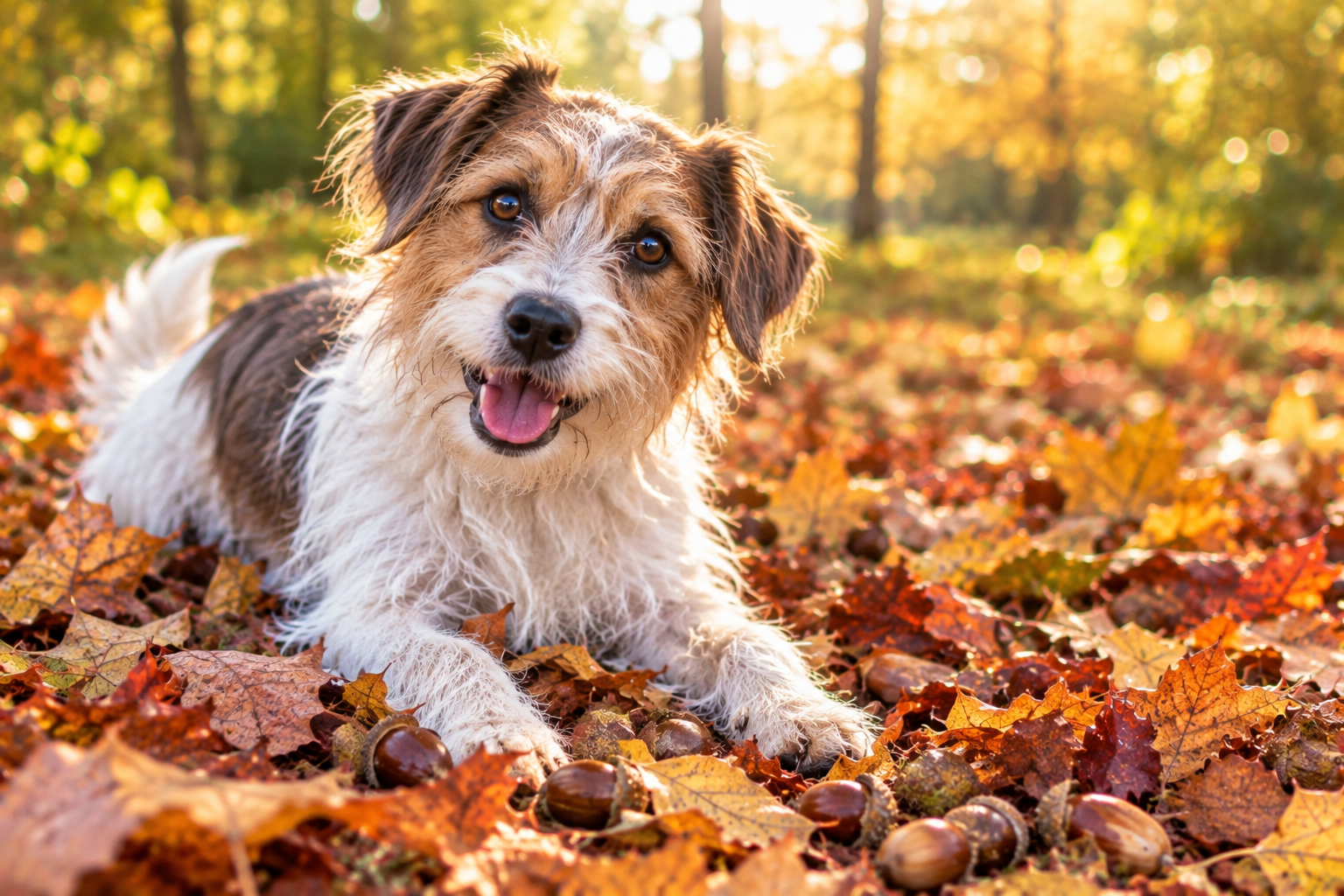
Acorns can also be harmful if eaten by dogs. They may cause gastrointestinal problems such as vomiting and diarrhoea, and swallowed acorns can potentially cause a gut blockage.
They can be particularly difficult to spot amongst fallen leaves, so take extra care when walking dogs who like to scavenge.
Can Dogs Eat Mushrooms or Toadstools?
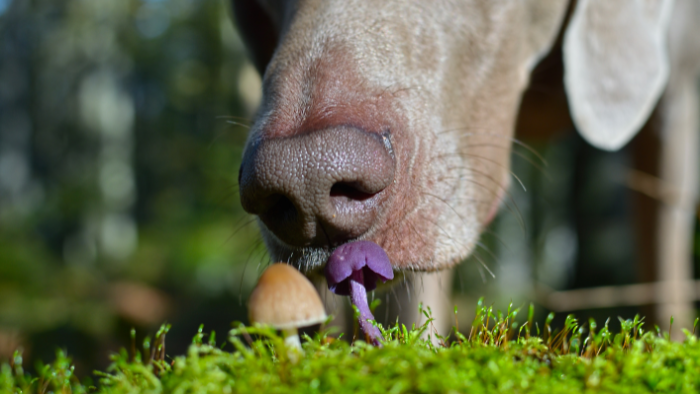
It is safest to assume that wild mushrooms and toadstools are not safe for your pet to eat. While not every species is poisonous, some fungi can cause serious illness and it can be extremely difficult to identify them correctly.
Autumn’s damp conditions mean fungi can appear in parks, woodland, gardens and along walking routes, so keep a close eye on dogs who like to investigate or eat things they find outdoors.
What Should I Do If My Dog Eats a Mushroom?
Contact your vet promptly if you think your pet has eaten a mushroom or toadstool. If it is safe to do so, take a photograph of the mushroom, including the underside, or take a sample with you. This may help with identification.
Which Autumn Plants Are Poisonous to Pets?
Autumn brings a number of plants, berries and fallen leaves that can be tempting for curious pets. Some plants can cause mild stomach problems, while others can cause much more serious illness.
Plants to be particularly aware of include:
• Horse chestnut
• Oak
• Autumn crocus
• Ivy
• Yew
• Holly
• Certain mushrooms and fungi
If you are unsure whether a plant is safe for your pet, keep them away from it and speak to your vet if they have eaten any part of it.
Is Antifreeze Dangerous to Dogs and Cats?
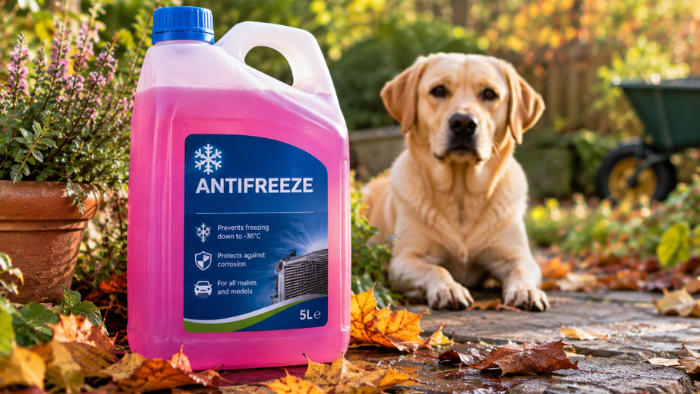
As temperatures begin to fall, antifreeze may become more common around cars, garages and sheds. Products containing ethylene glycol can be extremely dangerous to pets.
Keep antifreeze securely stored and clean up any spills immediately. Never leave containers where a pet could knock them over or chew through them.
🚨 Suspect antifreeze poisoning? Contact your vet immediately. Do not wait for symptoms to appear.
How Can I Keep My Dog Safe on Autumn Walks?
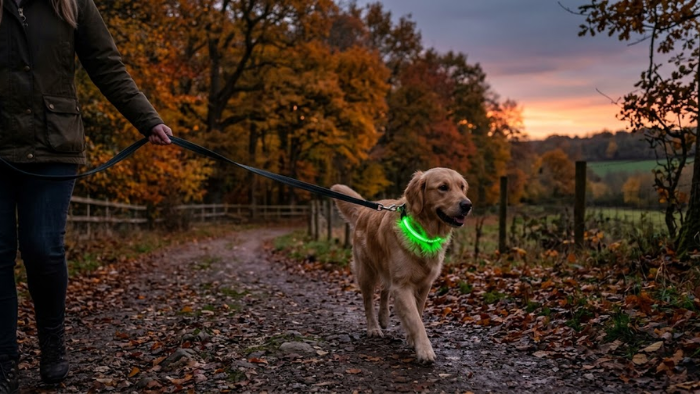
Shorter days mean many dogs are walked in low light or darkness during autumn. Reduced visibility can increase the risk around roads and other traffic.
Consider using:
• Reflective collars, harnesses or leads
• LED visibility lights
• Reflective clothing
• A torch or head torch
• Well-lit walking routes where possible
It’s also worth checking your dog’s paws and coat after muddy walks, as leaves and mud can hide sharp objects or other debris.
Can Dogs Get Harvest Mites in Autumn?
Yes. Harvest mites are tiny orange mites that are particularly active during late summer and autumn. They can cause intensely itchy, red and inflamed skin, particularly around a dog’s paws, legs, tummy and ears.
If your dog develops significant itching or skin irritation after spending time in grassy or wooded areas, speak to your vet for advice.
How Can I Keep My Pet Safe at Halloween and Bonfire Night?
Halloween and Bonfire Night introduce some seasonal hazards that aren’t normally part of your pet’s routine.
Keep chocolate, sweets and other unsuitable treats safely away from pets, and make sure decorations such as glow sticks cannot be chewed.
Fireworks can also be frightening for pets. Create a quiet, secure area where your pet can retreat, and consider preparing them before fireworks season begins if they are particularly nervous.

What Should I Do If My Pet Eats Something They Shouldn’t?
If you think your pet has eaten something potentially poisonous or swallowed an object that could cause a blockage, contact your vet straight away.
Don’t wait for symptoms to appear. Some problems can take time to develop, and early veterinary advice can help determine what needs to happen next.
If possible, tell your vet:
• What your pet has eaten
• Approximately how much they have eaten
• When they ate it
• Your pet’s size and weight
• Whether they are showing any symptoms
Remember: Never try to make your pet vomit unless your vet specifically instructs you to do so.
Autumn Pet Safety FAQs
What Are the Biggest Autumn Hazards for Dogs?
Some common autumn hazards for dogs include conkers, acorns, poisonous plants, mushrooms and fungi, antifreeze, seasonal parasites and hazards that become harder to see as the evenings get darker.
Can Dogs Eat Conkers?
No. Dogs should not eat conkers. They can cause stomach problems and, if swallowed whole or in large pieces, may cause an intestinal blockage.
How Do I Know If My Dog Has Eaten Something Poisonous?
Possible signs include vomiting, diarrhoea, drooling, lethargy, reduced appetite, abdominal discomfort, tremors or changes in behaviour. However, some problems may not cause immediate symptoms, so contact your vet if you know or suspect your dog has eaten something potentially harmful.
Should I Make My Dog Vomit If They Eat Something Dangerous?
No. Do not attempt to make your dog vomit unless your vet specifically instructs you to do so. Some substances can cause additional damage if brought back up.
Are Autumn Leaves Dangerous for Dogs?
Fallen leaves themselves are not necessarily poisonous, but they can hide conkers, acorns, mushrooms, sharp objects and other hazards. Some leaves may also come from plants that are harmful to pets, so it is best to supervise dogs that like to eat or chew things they find outdoors.
What Should I Take on an Autumn Dog Walk?
Alongside your usual walking essentials, consider taking fresh drinking water, a towel, a torch and appropriate reflective or LED equipment when walking in low light.
Enjoy Autumn Safely
Autumn has plenty to offer our pets, from exciting new smells to crisp countryside walks. A little extra awareness can help make sure those adventures stay enjoyable.
Keep an eye out for conkers and acorns, discourage your pet from eating fungi or unknown plants, take extra care on darker walks and prepare for seasonal celebrations.
And remember, if your pet does swallow something potentially harmful, don’t take a wait-and-see approach – speak to your vet as soon as possible.
A safe autumn is a happy autumn for our pets.
Worried Your Pet Has Eaten Something Poisonous?
If you are worried that your pet may have eaten something potentially poisonous, you can also contact Animal PoisonLine for specialist advice.
📞 Animal PoisonLine: 01202 509000
Open 24 hours a day, 365 days a year.
The service costs:
• £35 per call – 8am to 8pm, Monday to Friday
• £45 per call – all other times, including bank holidays
For more information, visit Animal PoisonLine.